Category: CFM
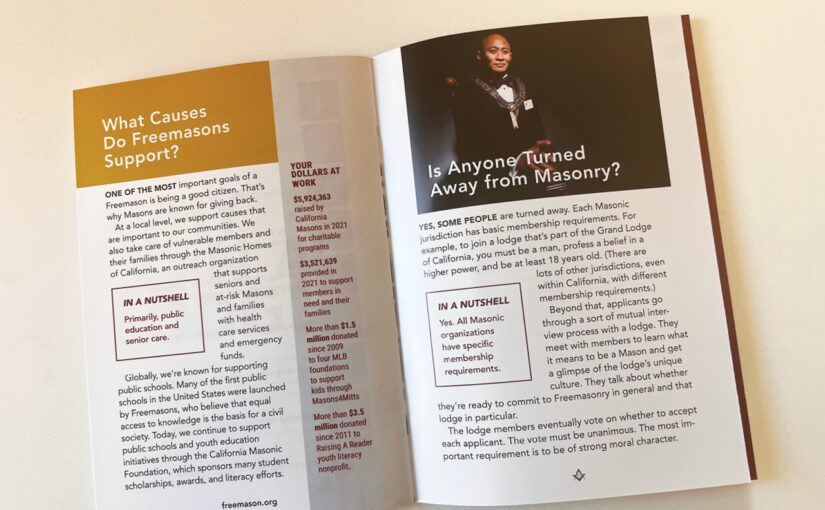
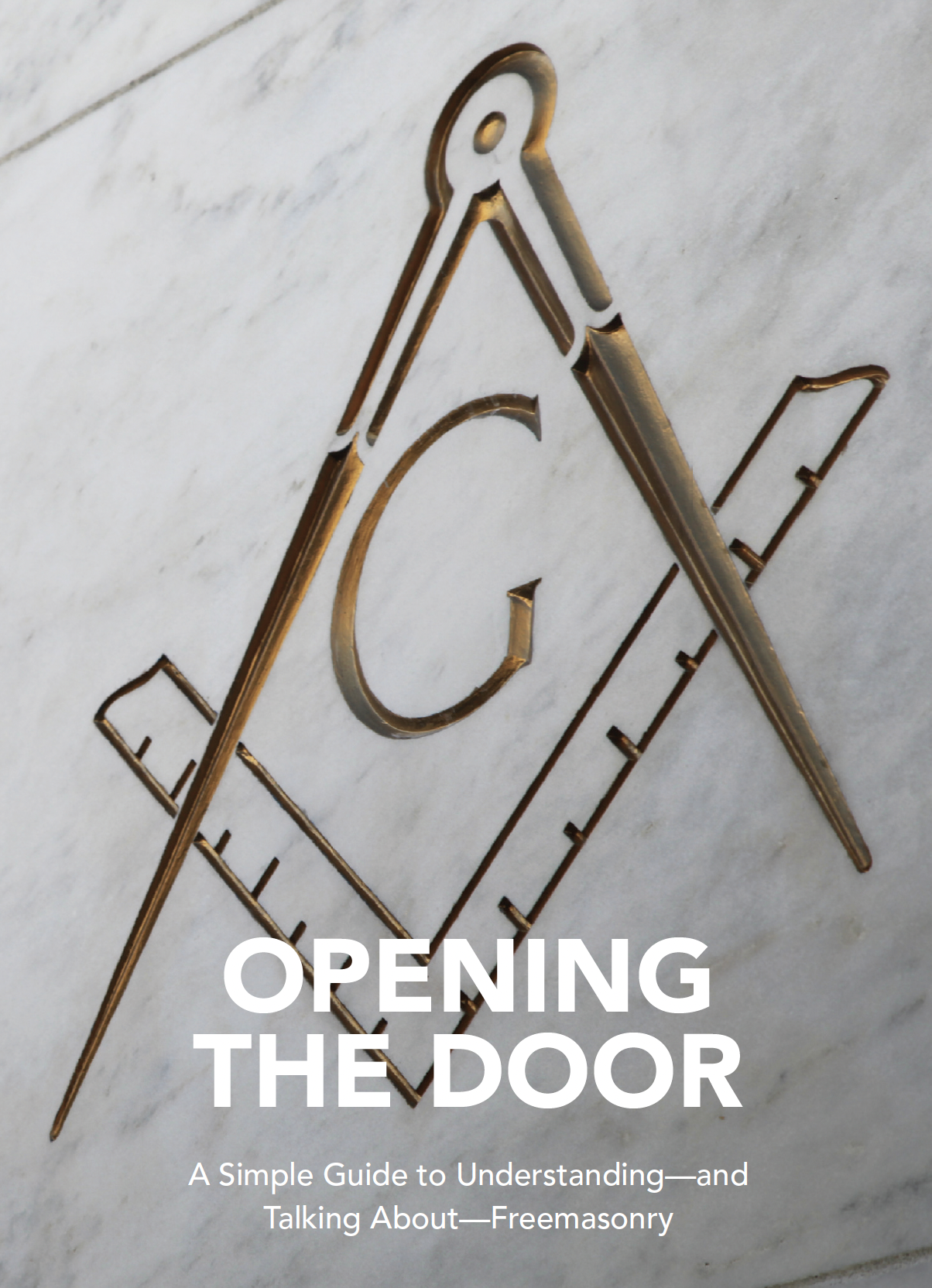
Download the Simple Guide to Freemasonry
How did you first learn about about Freemasonry? Was it by stepping into a lodge hall and meeting with members? At a community event? From a movie or TV show?
PROBABLY NOT!
Research shows that by far, the most common introduction that current members had to the organization came from a personal connection such as a relative or colleague. In other words, not from the Internet. That’s why it’s so important that current members feel comfortable talking about Freemasonry with the people around them—and that those searching for more information are provided with simple and accurate answers.
To that end, this short booklet is designed to help current members answer some of the most common—but often confusing—questions about Freemasonry.
Download and read through this guide to brush up on the basics. And share it with those around you who’d like to learn more. Don’t worry about memorizing answers. The most powerful thing you can do is share your personal experience. Consider this a tool to help you get started.
As members, you’re encouraged to discuss your Masonic experience with people around you. It’s how the tradition stays alive, from one person to the next.
Thanks to California Masons, a New Program Introduces Students to EV Green Careers
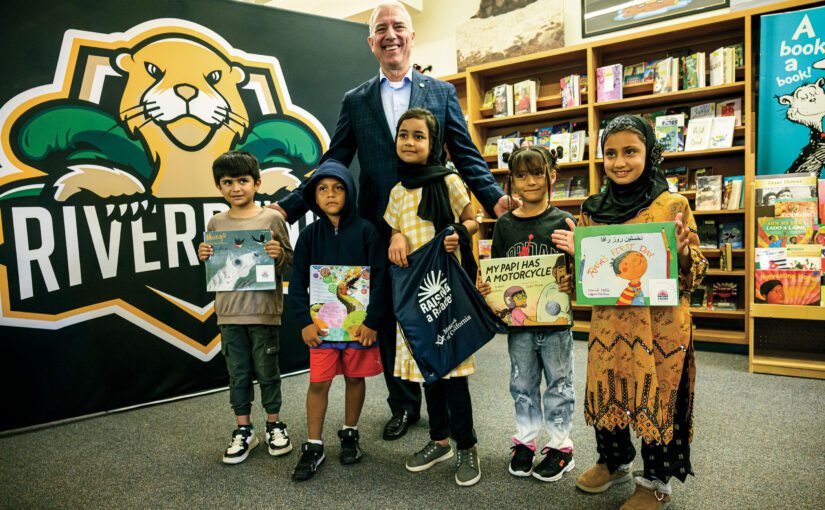
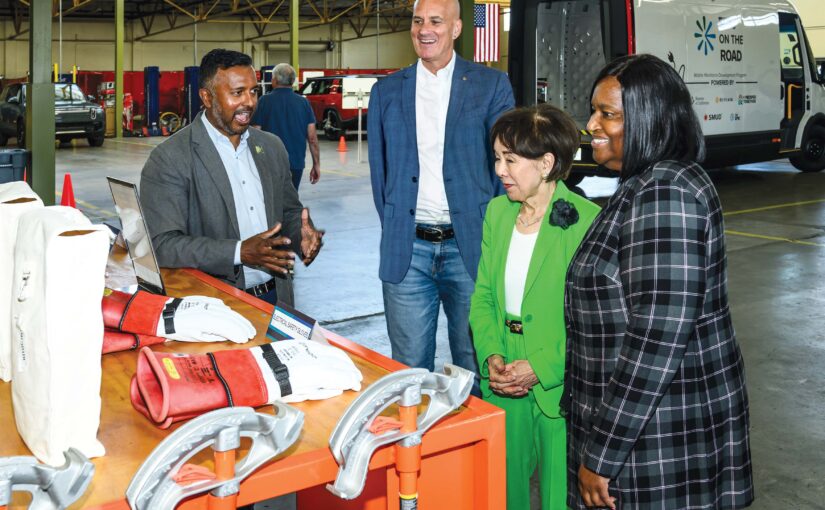
This spring, students from Sacramento City Unified School District got their first look at a new mobile classroom: a customized Rivian RCV 700 electric van full of battery chargers, safety gear, and components that’s being driven from school to school to introduce young people to careers in electric-vehicle battery manufacturing, engineering, and repair.
The rolling classroom is part of a first-of-its-kind new partnership between the California Masonic Foundation, Sacramento City Unified School District, and the California Energy, Power, and Innovation Collaborative (Cal EPIC). Through the deal, students at some of the district’s most under-resourced schools will have the opportunity to take a 10-week training class in precision manufacturing and green-energy technologies like EV maintenance. The aim is to offer a pathway to well-paid jobs in growing fields that don’t require a college degree.
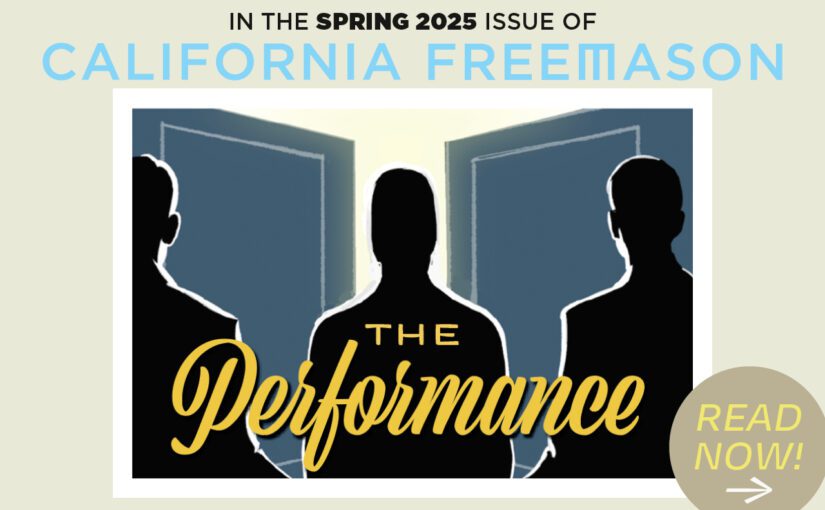
Summer Issue of California Freemason: The Performance
Read the Summer Issue of California Freemason: The Performance
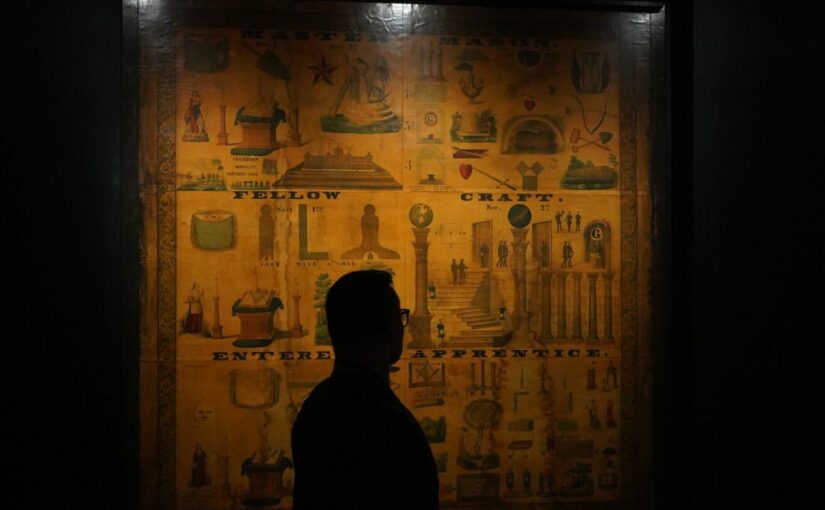
The Masonic ritual is a play with an audience of one, Tony Gilbert writes in the cover feature for the latest issue of California Freemason Magazine. And that one person is also the star of the show. Within that performance, there is high drama, powerful poetry, and profound life lessons. People who have seen it call it one of the most memorable events of their lives. When the players leave the darkened room, they’ll say they feel transformed. And they’ll mean it.
In the most elemental way, this private show is Freemasonry; it’s the what and the why and the how of the entire enterprise. So it’s no surprise that Masons devote so much time and energy to performing it well. Because if you’re putting on a show that promises all that, you’d better make it great.
In this issue of California Freemason Magazine, we’re taking a deep dive into the many ways that Masonry and performance collide. Most notably, that’s through the performance of the ritual. But there’s so much more: An interview with a theater scholar investigating the connections between the Masonic ritual and 18th century French theater; an illuminating photo essay taking us behind the scenes as the Pasadena Scottish Rite stages its annual performance of The Spirit of Hiram; and a trio of profiles of California Masons who double as performers outside of lodge.
The Masonic degree is, of course, elemental to Freemasonry. It’s the highlight of any candidate’s experience. But it’s just the start—a first step on the journey of a lifetime. The ritual is the moment at which the curtains are raised. But it’s everything that happens next that constitutes the real drama.
Read the Summer Issue of California Freemason: The Performance
Spring 2025 Issue Out Now: 175 Years
Discovery Masonry on Freemason.org
Say hello to a series of brand-new web resources for prospects and new members available on freemason.org, the online home of the Masons of California. These new, interactive pages are designed to answer some basic questions about Freemasonry and how to join a lodge. Share them with prospects, new members, and anyone interested in learning more about the fraternity.
What is Freemasonry?
Becoming a Freemason
History of Freemasonry
Inside a Lodge Room
2024 Fraternity Report: The Win-Win
California Freemason: There’s No Place Like Lodge
Read more in the new issue at californiafreemason.org
Could the simple act of joining a MasonicLodge be the key to rebuilding trust and strengthening democracy? Harvard sociologist Robert Putnam, author of Bowling Alone, thinks so. He argues that declining membership in social groups—like lodges, churches, and even bowling leagues—has contributed to rising polarization and social distrust.
Freemasonry offers a remedy: it fosters ‘social capital,’ creating connections that cross racial, political, and socioeconomic lines. By building trust and promoting civic engagement, Masons help strengthen the bonds that hold our communities—and democracy—together. Oh, and it might even help you live longer.
Winter 2024 Issue Out Now: A Sense of Belonging
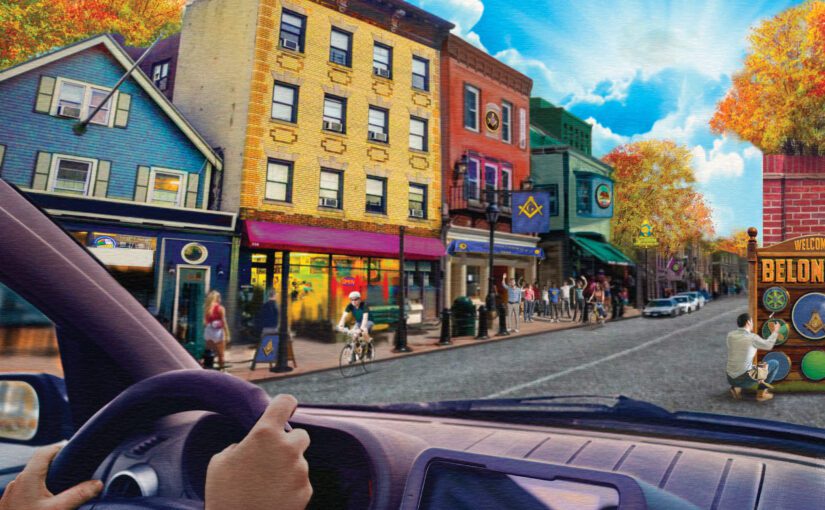
Why do people join the Masons? That’s one of the most common questions I’m asked by people who want to know more about this fraternity. We know that there are lots of reasons: Some had a father or grandfather who belonged to a lodge. Or a friend who introduced them to a member. Or just curiosity about the ritual and esoteric Masonic knowledge. Or a desire to improve as a husband, father, or partner.
people don’t necessarily talk much about, but what might be even more important, is the community aspect of our organization. When Masons gather in lodge, we’re coming together as a group of people with common values. We’re demonstrating servant leadership. We’re working with one another across political, ethnic, and socioeconomic lines.
Nowadays, that kind of cooperation is more important than ever. The harmony we see play out in our lodges is precisely the kind of thing we need in order to fight against the polarization and distrust that have become all too common . That makes our lodges important examples that our communities can follow—and it makes our members important leaders in the places they call home.
In this issue of California Freemason Magazine, we’re exploring the ways in which groups like the Masons can help members build social capital—a term first popularized by the sociologist Robert Putnam. With a new documentary film out now devoted to his work, it’s an ideal time to consider how Freemasonry can—and does—help build stronger and more resilient communities.
By fostering a true sense of community, inclusion, and belonging, Masonic lodges are lighting a path forward for the places we all call home.
![]()
Arthur L. Salazar, Jr.
Grand Master of Masons in California
A Conversation with ChatGPT About Freemasonry
The following is an exchange with OpenAI’s ChatGPT language-learning model chatbot. Read more about California Freemasonry at our website.
What’s the secret of Freemasonry?
Freemasonry is a fraternal organization that is often associated with secrecy due to its use of symbolic rituals and traditions. However, the organization states that its central principles are based on brotherhood, charity, and truth, and that its members take obligations to keep certain aspects of their ritual practices confidential.
The specific details of these rituals are not publicly disclosed and are considered private to members. It is widely believed that the “secrets” of Freemasonry refer to the ways in which these symbolic rituals are performed and the specific meanings they hold for members.
However, the exact nature of these secrets is not publicly known and is only shared among members.
What will make Freemasonry popular again?
It is difficult to predict what would make Freemasonry popular again, as popularity and cultural relevance can be influenced by many factors, such as changes in societal values, new forms of communication and organization, and shifting interests and beliefs.
However, some actions that Freemasonry organizations could consider to increase their visibility and appeal to a wider audience include: promoting their values and traditions through modern channels of communication, collaborating with other organizations and communities to serve the greater good, and being transparent about their practices and beliefs to dispel myths and misunderstandings.
Explain Freemasonry in the style of Kurt Vonnegut.
Freemasonry, my friend, is a strange and curious thing. Picture it like this: Imagine a secret society, full of handshakes and mysterious symbols, that values truth, charity, and brotherhood above all else. And they do it all while dressed in regal robes, surrounded by solemn music and elaborate ceremonies.
It’s a quirky blend of ancient tradition and modern morality, with its roots reaching back to medieval stonemasons, but now open to men from all walks of life. They gather in lodges, talking in cryptic phrases and performing strange rituals, all in the pursuit of personal improvement and a better world.
But let me tell you, there’s a good bit of humor and irony in it, too. These Masons take themselves quite seriously, but at the same time, they never forget to have a laugh and enjoy one another’s company. And despite all the secrecy and grandeur, at the heart of it all is a simple message of love and kindness.